
READ MORE >
A smarter route to automation
Suraj Jandu, Lead Project Engineer at Pailton Engineering, explains all about cobots following his talk at Robotics & Automation 2026.

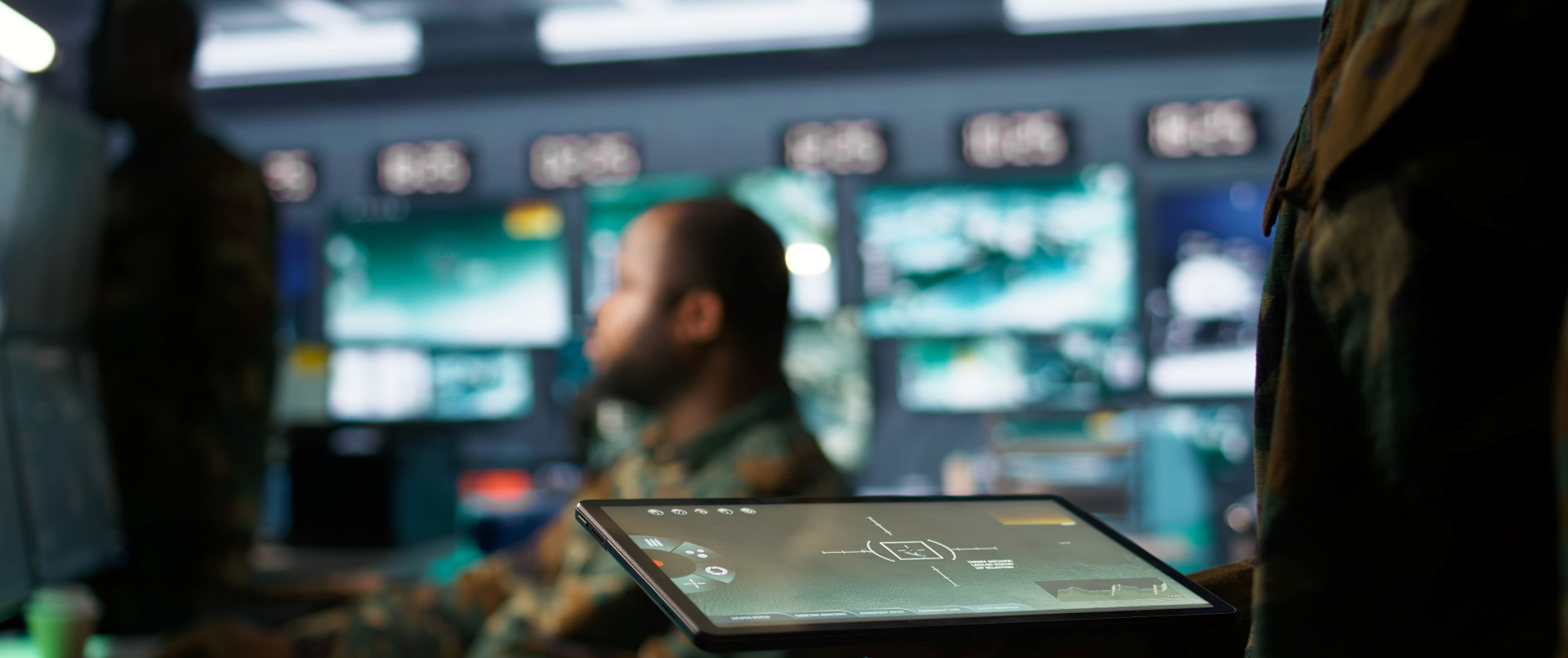
When Volkswagen revealed it had developed two prototype military vehicles — MV-1 and MV-2 — in just four months under its Diederich Engineering Systems Defense arm, it caught attention on both sides of the Atlantic. Add to that Renault exploring drones in defence applications and it’s time to assess why carmakers are creeping into defence. Roger Brereton, explains why the automotive sector is bringing a different way of working to defence.
Across the UK and broader defence industry, organisations are being asked to develop, test and deploy new platforms at a pace that would have been unrealistic even a decade ago. The intent is there, the pressure is there, but the reality is much more complicated.
Spending commitments don’t always land when expected, and programmes often must move forward without full certainty. This puts the focus firmly on speed, not just in terms of urgency, but also in how efficiently programmes are delivered.
Why automakers are moving into defence
The link between automotive and defence isn’t new, but it is evolving. Modern vehicles — civilian and military alike — are shaped by software, electrification and modular design.
That shared foundation makes it easier for automakers to step into defence-adjacent projects, adapting existing platforms and repurposing technologies rather than starting from scratch.
There’s also a commercial angle. The direction of travel is broadly upward in defence spending, especially across the US and NATO-aligned countries, although it’s not smooth or guaranteed year-to-year.
Budgets can be delayed, reprioritised or tied up in politics, as seen with the UK Defence Investment Plan, which is still not yet confirmed despite the UK government committing to increasing defence spending back in June 2025.
For automakers, navigating shifting demand and rising costs is routine, and they’ve built processes around speed and flexibility. In contrast, defence programmes often operate within longer timelines and more rigid funding cycles, a contrast that highlights where automotive engineering approaches can bring an advantage to defence.
Automotive development is built around iteration with shorter cycles, with constant testing and prototyping baked into the process, rather than a final step. Volkswagen’s reported four-month turnaround on two military prototypes is a good example of what that can look like in practice.
From road to the battlefield
Of course, taking a vehicle from the road into a defence setting isn’t a simple transition. Military environments push systems far beyond standard automotive limits.
Vehicles are expected to operate across rough terrain, carry heavier loads and perform reliably in conditions where maintenance isn’t always an option. That puts enormous pressure on core systems.
For suppliers, this means engineering for durability without sacrificing performance. Systems need to handle increased weight and harsher conditions, all while delivering the level of control operators rely on.
Armour, communications equipment and additional payloads add mass. This affects handling, braking and overall performance, making the balance between durability and agility one of the central engineering challenges.
What defence can learn from automotive
Despite the differences, there’s plenty defence can take from the automotive playbook.
First, iteration matters. The ability to test, refine and improve quickly — using simulation as well as physical prototypes — can significantly reduce development timelines without cutting corners.
Second, modularity. Designing platforms that can evolve over time allows programmes to respond more quickly to changing requirements, rather than locking everything in from the outset.
And then there’s the supply chain. Defence, by its nature, is not a high-volume industry. Demand is lower, more specialised and often less predictable than in automotive. That creates challenges when it comes to coordination and visibility, particularly across multiple tiers of suppliers.
Automotive has spent decades solving that problem. Deep, well-integrated supply chains, with oversight from top to bottom, allow manufacturers to move quickly and adapt when needed.
That level of visibility is just as important as engineering capability when timelines are tight. For defence, building a clearer picture of supply chain depth and working more closely with suppliers will be key to ensuring defence can design at speed.
Of course, these qualities can only be fully used if programmes are properly resourced, but by borrowing lessons from automotive engineering, defence can make the most of available resources and deliver capability faster.
To read more about steering parts and suspension components for military vehicles please visit the product page
Suraj Jandu, Lead Project Engineer at Pailton Engineering, explains all about cobots following his talk at Robotics & Automation 2026.
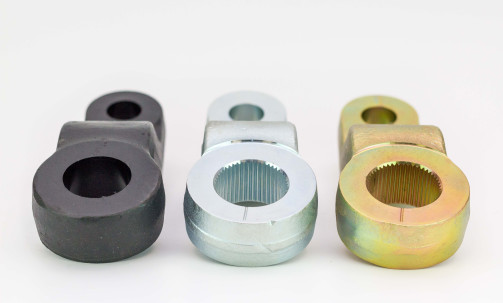
Achievement in recognition of the company’s quality performance in parts supplied to DAF Trucks N.V.
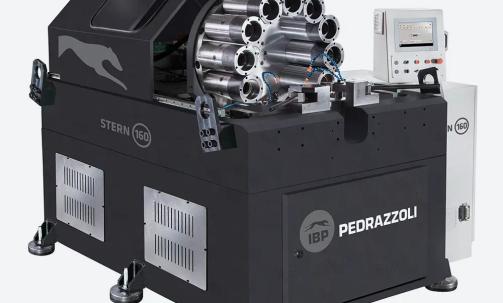
Pailton Engineering invests significantly in new machinery.

