
Panhard Rods and Suspension Links
Pailton Engineering’s high-quality Panhard rods
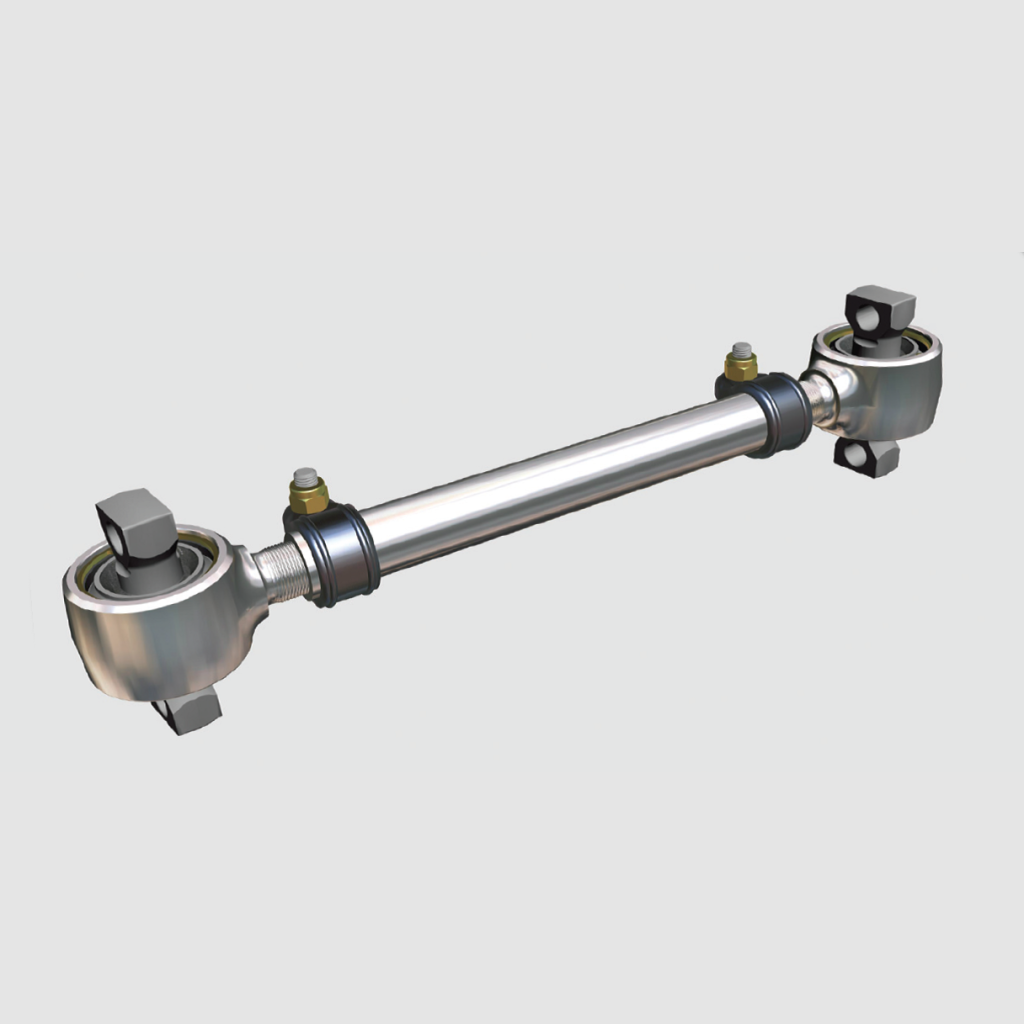
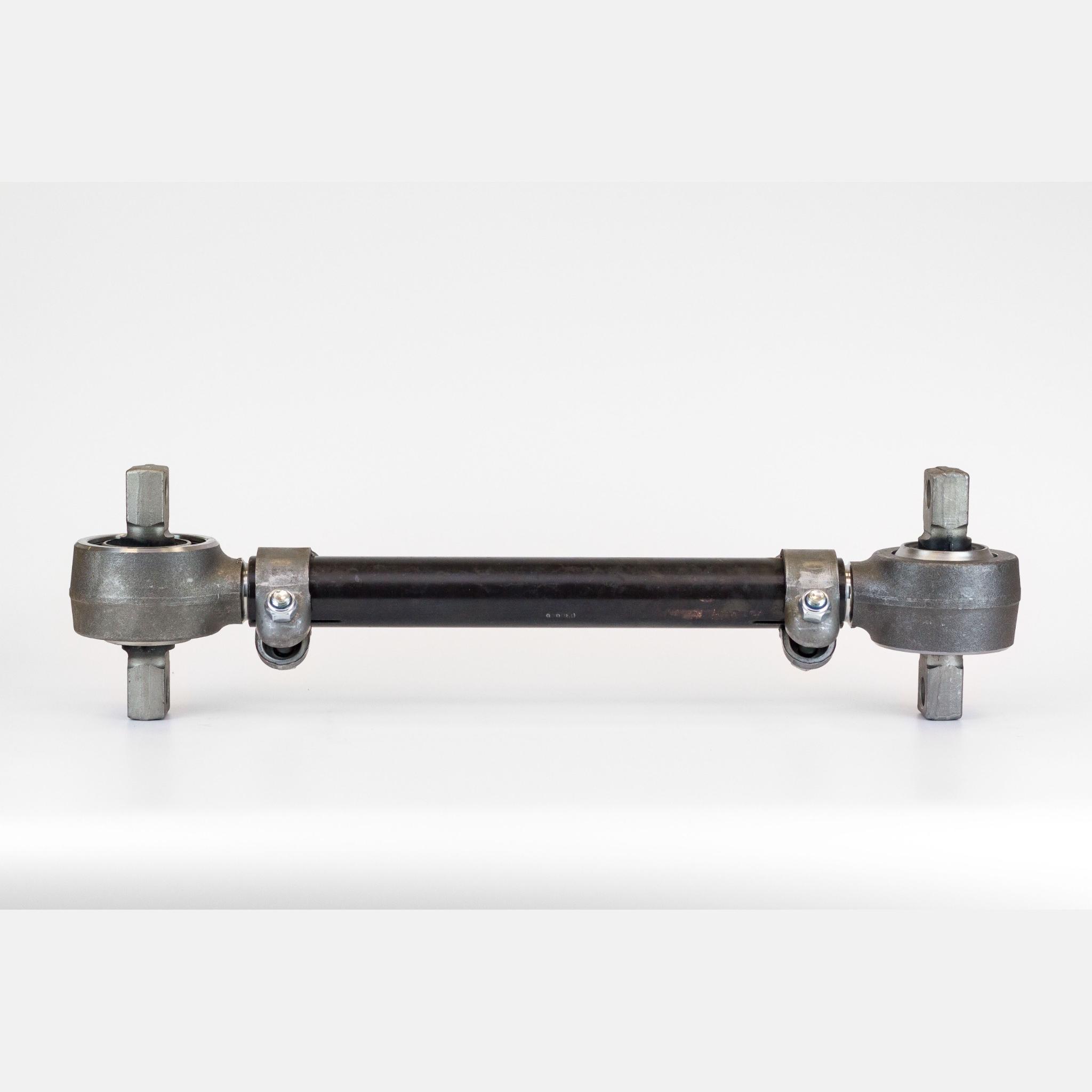
Simple and effective, the Panhard rod – also known as the Panhard bar – has remained relatively unchanged in 100 years. Pailton Engineering combines this classic design with modern manufacturing techniques to ensure durability and performance over thousands of miles.
Why choose Pailton for Panhard rods?
- We can accommodate any trunnion installation length and angle
- Advanced CAD technology and state-of-the-art optical scanning equipment for reliability
- Our designs undergo rigorous fatigue testing to ensure high quality and performance
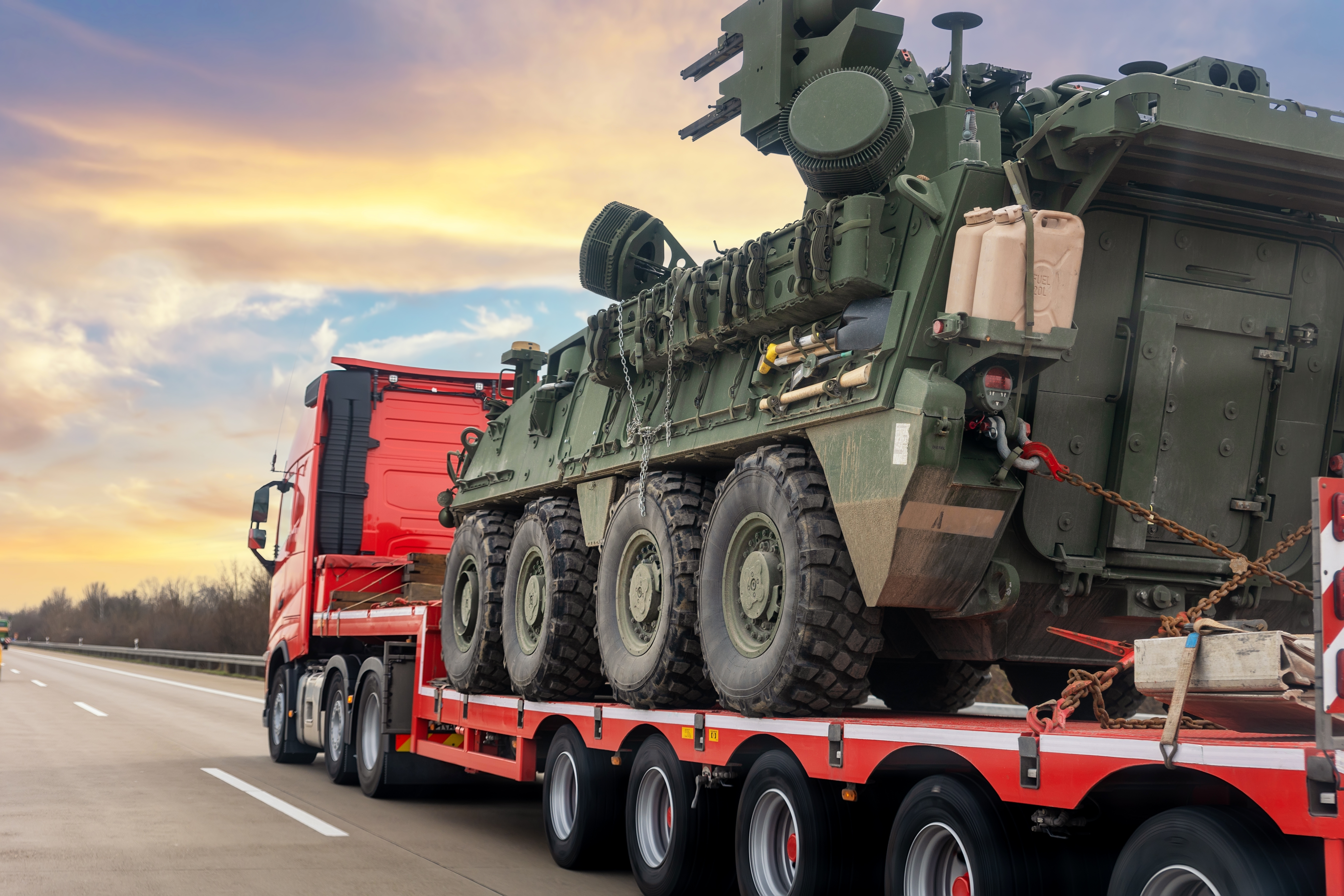
- We supply world-class steering and suspension components to industries where reliability is critical, including defence, commercial and public transport sectors
Panhard rod design
A key consideration when manufacturing Panhard rods is ensuring that they are resistant to bending and fatigue. These forces are strong in heavy-duty vehicles like trucks and buses. Increased load and side forces can stress suspension parts, so we design our rods to handle these forces. They maintain alignment and last longer, even in extreme under-chassis environments.
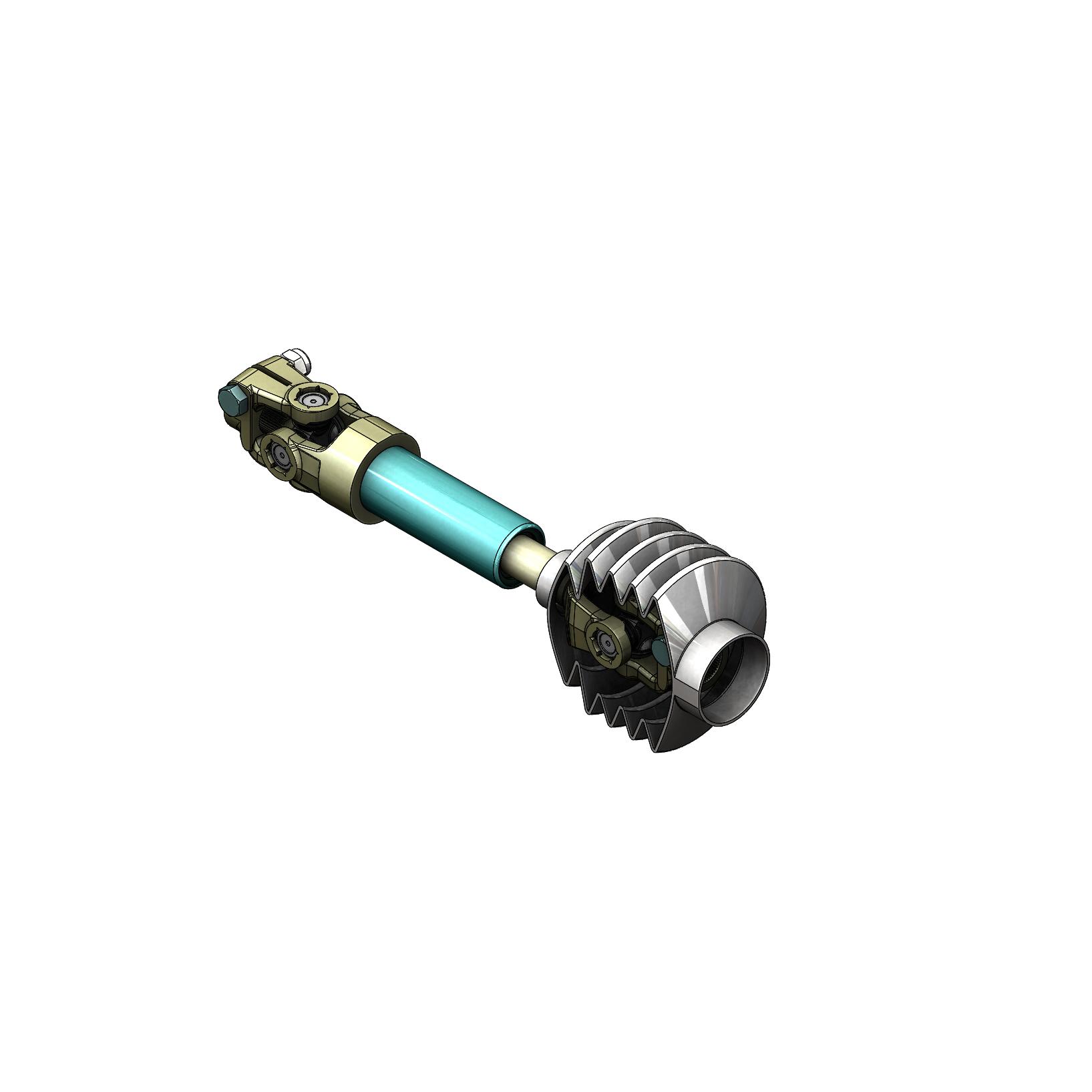
For optimal performance, the rod's placement and design are crucial. It should be as long as possible and positioned near-horizontal. This reduces the potential for the axle moving in an arc during vertical suspension travel, which would introduce lateral movement.
Adjustable Panhard rods help maintain rear axle alignment when the vehicle's ride height changes. This might happen after a suspension upgrade. Adjusting the length of the rod ensures that the axle remains aligned and that tyres wear evenly.
Our rods are also used as damper struts in the axis of the chassis. When the vehicle is braking, the rod provides flexible support.
The role of a Panhard rod in vehicle stability
In vehicles with a solid axle and coil spring suspension, the axle can shift from side to side. This happens when bushings deflect during turns or on uneven roads. This lateral movement, if unchecked, can make the vehicle feel unstable.
The Panhard rod helps prevent lateral movement, keeping the axle aligned with the chassis and ensuring stable, predictable handling. The rod operates by providing a rigid lateral link between the axle and the vehicle’s frame.
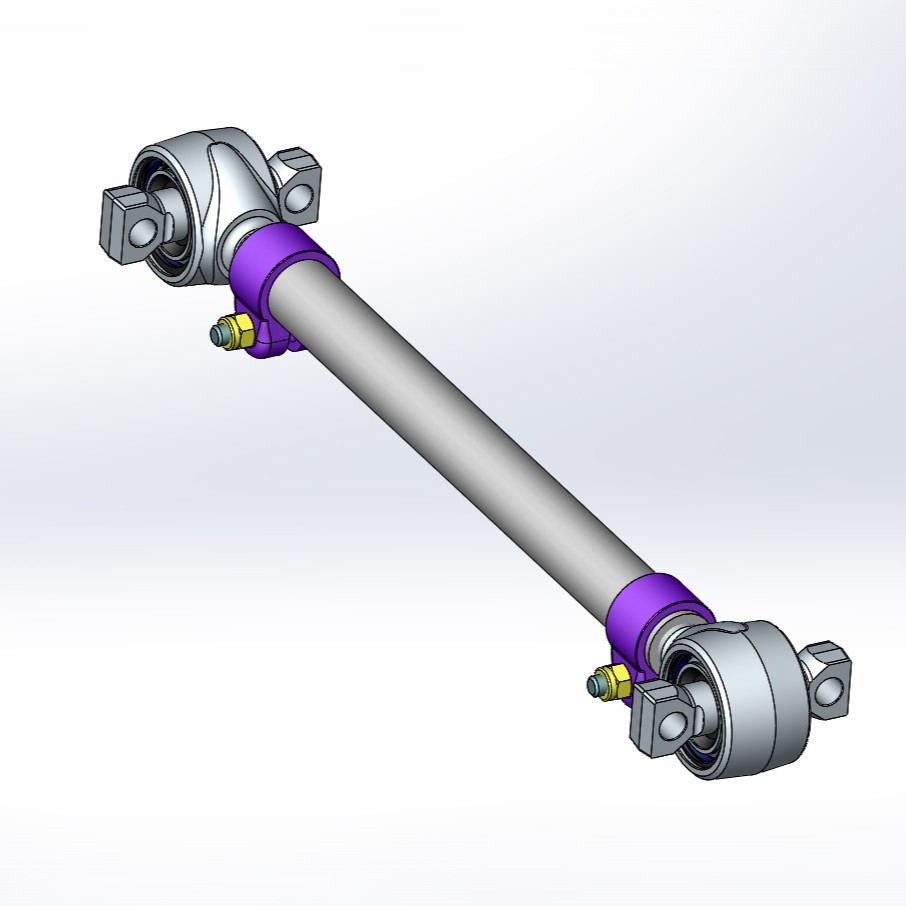

Without this suspension link, drivers would experience imprecise steering and reduced handling, especially during turns. They also help to eliminate ‘bump steer’.
To discuss your vehicle’s specific design needs, or to explore our range of Panhard rods, contact Pailton Engineering today for a free consultation.


