READ MORE >
Pailton Engineering receives PACCAR 10 PPM quality achievement
Achievement in recognition of the company’s quality performance in parts supplied to DAF Trucks N.V.

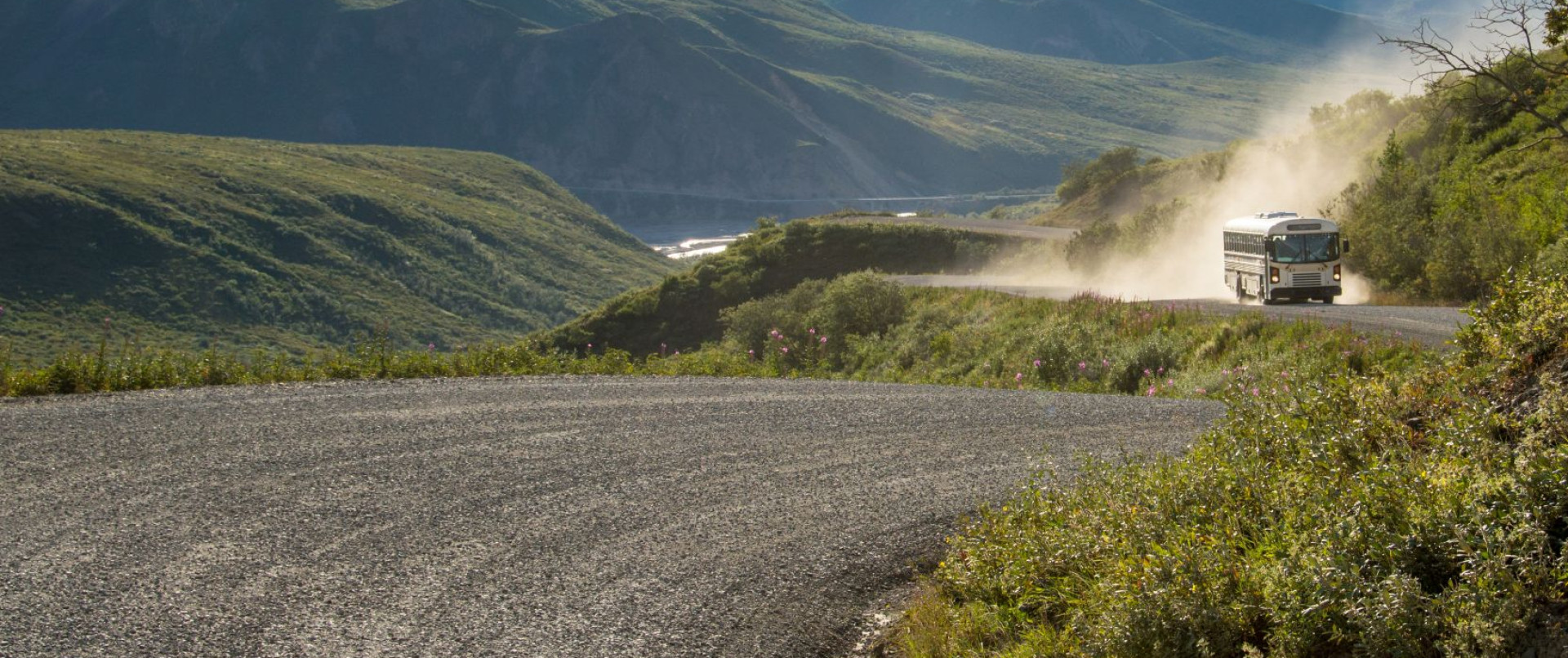
In the USA, an average height bus driver might be a foot taller than one in Southeast Asia, according to a WorldData summary of 2,000 studies on human height. That’s a significant difference, but driver height is just one of many considerations that go into designing buses that suit the local environment. Here's a look at some of the ways bus design varies around the world.
Picture the scene: a six-foot bus driver from North Dakota, bored of the flat monotony of the Midwestern countryside, relocates to Laos in search of a new start. Imagine their surprise on their first day at work as they try to squeeze into a bus designed for drivers who average just over 5 feet in height. Their eyes would grow even wider as — knees by their ears — they drove up the narrow, winding roads of the Luang Prabang mountains.
That’s an extreme scenario, but designing a bus that can operate anywhere in the world is a challenge. A tight, winding European city puts different demands on a vehicle than a long, straight North American highway. In the same way, a dusty route in Nevada puts very different stresses on components compared with a cold, heavily salted winter road in Alaska.
Environmental differences
Humidity and salt-laden air, whether from tropical coastlines or winter gritting, can corrode metal components. Dust and sand, common on desert routes, can work their way into bearings and joints, shortening service life, and increasing maintenance costs.
For steering components, getting around that requires careful material selection, with corrosion-resistant coatings and seals designed to keep contaminants out. For example, a bevel box destined for a tropical city like Medellín might use high-temperature-resistant grease in the bearings, rubber boots designed to resist cracking in heat, and a higher ingress protection rating to protect against heavy rainfall and persistent humidity.
A bevel box, specified for a bus in Alaska might instead prioritise anti-corrosion coatings to resist road salt, and grease formulated to keep performing in sub-zero temperatures. Additionally, in rural areas where opportunities for routine maintenance or spare parts might be limited, designers might choose maintenance-free components that last the lifetime of the bus.
Local infrastructure
The bus must also suit local street layouts. In dense historic cities, drivers need a tight turning circle and responsive steering, whereas in regions with long highways, stability at speed is more important. Rural or developing regions might require higher ground clearance and reinforced suspension for poor roads, while urban centres with narrow streets, steep gradients, or low bridges might create dimensional constraints and require more compact designs.
Local infrastructure could also determine powertrain choice. In some markets, diesel is still the go-to fuel, but many cities are transitioning to battery-electric or alternative fuels like hydrogen. Local grid capacity, charging or fuelling infrastructure, and energy costs will heavily influence the viable options. E-buses might also have different design needs, such as parts that can handle the additional weight of the batteries.
Workstation adjustability
As our North Dakotan from earlier found out, in some countries, the average driver might be as much as a foot taller or shorter than in others. This affects the ergonomics of the bus driver workstation. For instance, the height or tilt of the steering column and the position of the controls might not be right, causing significant discomfort over an eight-hour shift. Choosing a fully adjustable steering column would help all drivers, no matter where they come from.
Wherever your bus will be operating, working with a parts supplier that can adapt to changing requirements will help. The right design makes the driver’s job easier, safer, and less fatiguing, wherever they are in the world. To see how adjustability can feature in your next design, reach out.
Achievement in recognition of the company’s quality performance in parts supplied to DAF Trucks N.V.
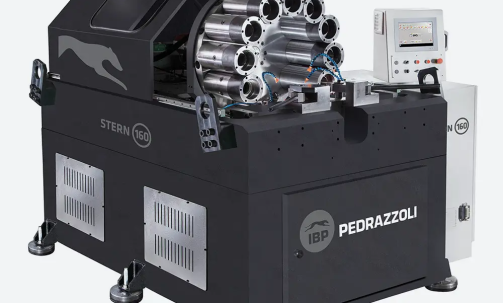
Steering systems manufacturer investment enhances capacity and reliability.

Autonomy on the ground is showing more tangible progress than many other unmanned military concepts.

