READ MORE >
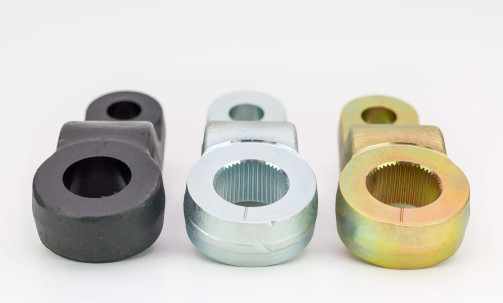
Pailton Engineering receives PACCAR 10 PPM quality achievement
Achievement in recognition of the company’s quality performance in parts supplied to DAF Trucks N.V.

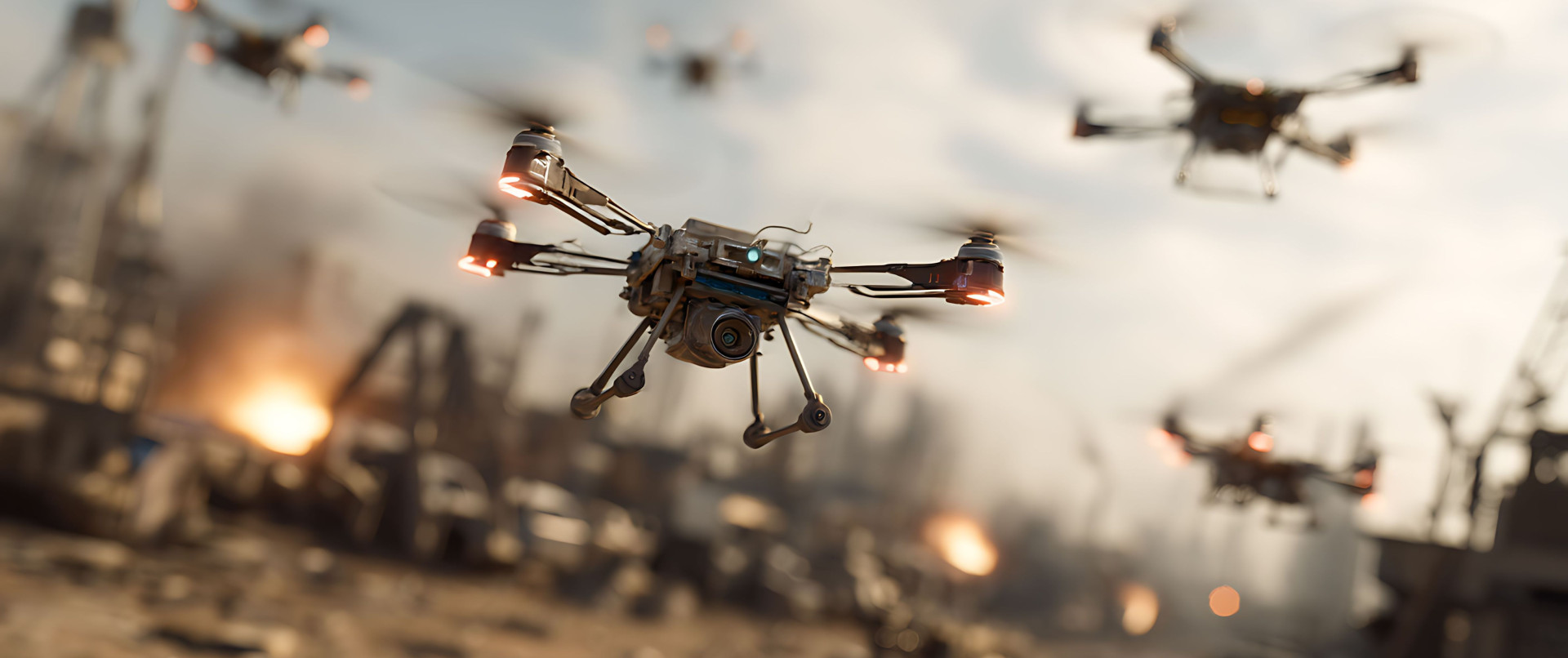
The Ukraine conflict has shown the potential of drones to transform warfare, and with it the assumptions about military vehicle design. Here's a look at what the new world of drone warfare means for the design of modern light tactical vehicles.
Modern light military vehicles were originally engineered with off-road mobility and protection against ground-based threats as their primary purpose. But as the war in Ukraine has demonstrated, the battlefield is rapidly changing.
Drones, particularly low-cost kamikaze and reconnaissance variants have transformed how militaries fight and what they will require from their vehicles. As a result, it’s no longer enough for a light military vehicle to be resistant to mines and IEDs. In today’s combat environment, the threats are often airborne, not just roadside.
From underbody blasts to top-down strikes
Following the experience of Afghanistan and Iraq, military vehicle design focused heavily on protecting occupants from below — mine-blast protection, V-hulls and raised chassis became industry standard. However, drones have introduced a new axis of vulnerability. Loitering munitions and first-person-view (FPV) drones can hover, track and strike from above with pinpoint accuracy, bypassing conventional protection zones.
In Ukraine, off-the-shelf drones costing only a few thousand dollars have repeatedly disabled or destroyed vehicles worth hundreds of thousands, bringing a new dimension to asymmetric warfare. Even the newest platforms, which are built with blast-resistant hulls and armour designed for ground threats, are finding that top-down attacks exploit areas not traditionally reinforced. That’s prompting engineers and defence contractors to rethink vehicle design.
Protecting against the drone threat
Adapting to the age of drone warfare doesn’t require reinventing the wheel, but it does mean evolving the design of the chassis and protection systems to meet new demands.
For example, some armed forces have begun adding top-mounted slat armour or “cope cages” to their vehicles in an effort to defend against drone strikes. While this solution is far from elegant and often improvised in the field, it demonstrates a growing recognition that protection needs to extend upward as well as outward.
The next generation of vehicles, or upgrade programmes for existing light tactical fleets, are likely to integrate modular anti-drone systems, that’s everything from passive barriers to active protection systems that can detect, track and neutralise drones before they strike. This will influence design considerations for weight distribution, roof strength and power management.
A networked response
Beyond physical defences, future tactical vehicles must be equipped with sensors and communications equipment capable of integrating into a broader counter unmanned aerial vehicles (UAV) strategy. This could include radar units, electronic jammers and even hard-kill solutions such as directed-energy weapons.
This is where modular design steps in. Modern vehicle programmes increasingly prioritise modularity, and the rise of drone threats has underscored the value of a vehicle that can be easily upgraded with the latest countermeasures — whether that’s a new sensor suite or a plug-and-play active defence system.
Engineering for agility and resilience
In this evolving threat environment, the role of component manufacturers — especially those supplying critical systems like steering and suspension — becomes even more vital. Vehicles that operate in terrain where drone threats are active need to be highly manoeuvrable, quiet and responsive. They must handle difficult terrain without compromising on stealth or speed.
Design flexibility will also be important. Some analysts argue that current light vehicle programmes may already be approaching weight limits for rapid deployment or expeditionary use. . However, the sudden emergence of this new “threat from above” might mean more body armour, not less.
The evolution of vehicle design is shaped by the emergence of new threats. Much in the same way that IEDs shaped the development of blast-resistant vehicles, this new age of drone warfare will shape the next generation of military vehicle design. While it is unclear exactly what that will look like, we can anticipate networked vehicles equipped with powerful sensors and additional protection against aerial threats. Modularity will be key to allow these vehicles to continue to evolve and the ecosystem of suppliers and engineers who support these vehicles will have to evolve accordingly.
Achievement in recognition of the company’s quality performance in parts supplied to DAF Trucks N.V.
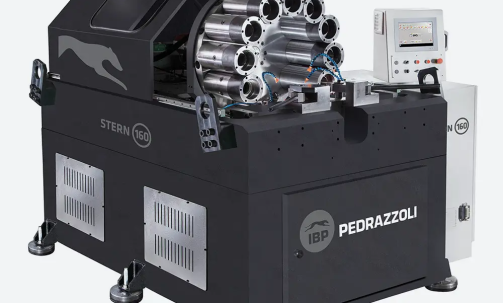
Steering systems manufacturer investment enhances capacity and reliability.

Autonomy on the ground is showing more tangible progress than many other unmanned military concepts.

