READ MORE >
Pailton Engineering receives PACCAR 10 PPM quality achievement
Achievement in recognition of the company’s quality performance in parts supplied to DAF Trucks N.V.

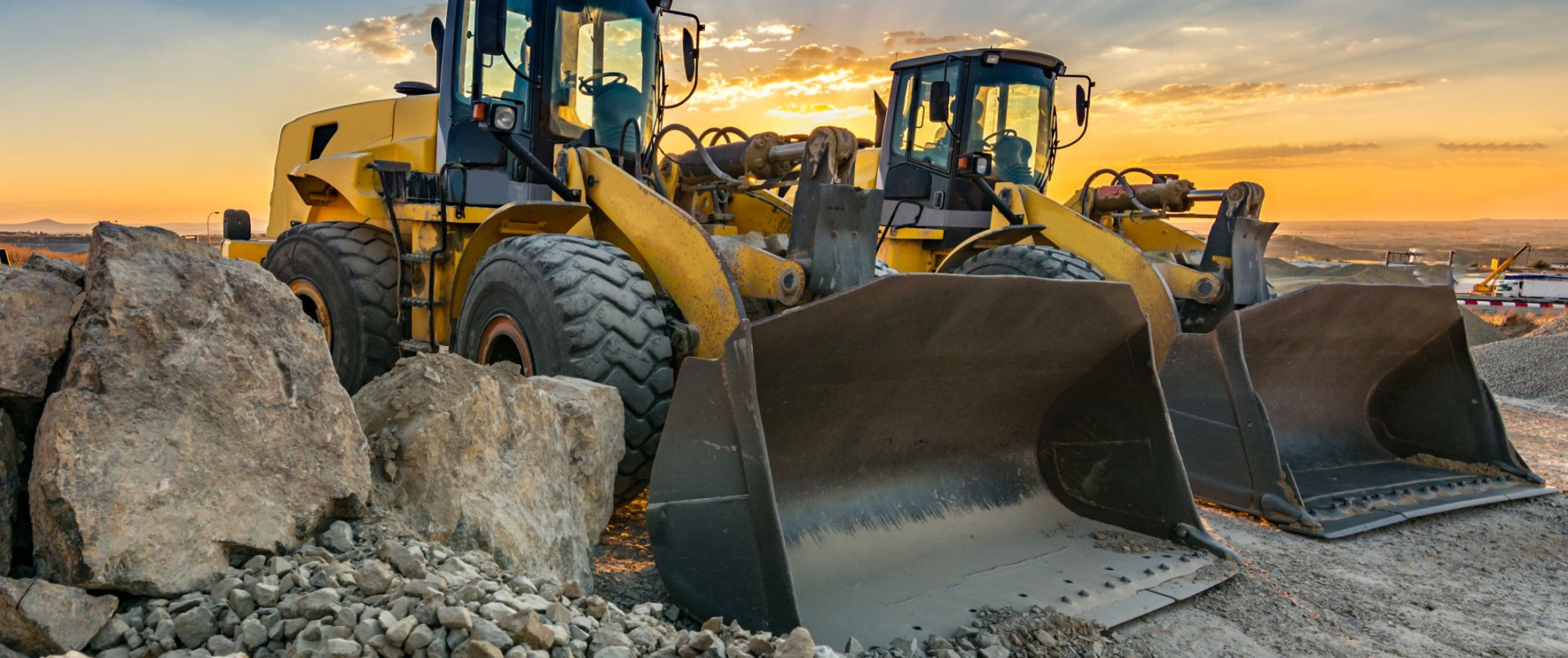
Hydrogen powered construction machinery is moving from concept to reality. However, with refuelling infrastructure still limited, the elephant in the room is whether construction sites are ready for this low-emission future. Does hydrogen play a role in powering construction vehicles? How does it compare with electrification?
Before hydrogen can be fully understood, it helps to look at where electrification has already made inroads. For example, Volvo Construction Equipment has passed the 1,000-unit mark in sales of its compact electric loaders and excavators.
These machines are a natural fit for urban projects and indoor work, where noise and emissions are under close scrutiny. This is because electric motors produce zero tailpipe emissions, noise levels are dramatically lower and maintenance requirements are reduced thanks to fewer moving parts. For small and mid-sized machines, downtime is predictable and charging can be managed overnight.
However, scaling batteries up is a different story. Larger excavators, cranes or piling rigs require enormous packs that add weight and cost, while charging infrastructure on temporary sites is still patchy. A Europe Electric Construction Equipment Market Report 2025–2030 highlighted the lack of site-ready charging facilities as a key barrier. For now, that keeps batteries firmly in the compact equipment space.
Tackling the heavy end
Hydrogen’s appeal is in its energy density and fast refuelling. While a large battery pack can take hours to charge, hydrogen tanks can be filled in minutes. For heavy plant that needs to run almost continuously, that difference is essential.
Here, there are two main technological approaches. Fuel cells generate electricity onboard to drive motors, while combustion engines adapt traditional diesel units to burn hydrogen. JCB has taken the latter route with its hydrogen backhoe loader, while Hyundai and Liebherr have explored fuel cell concepts.
The road ahead
Despite advancements, supplying and storing hydrogen safely is not straightforward and today’s construction sites are far from having reliable access.
The future of construction sites is therefore likely to be an outcome of a blended fleet. Battery-electric solutions will continue to power compact and mid-sized machines, where charging is manageable and emissions benefits are immediate. Meanwhile, heavy equipment, where uptime and power are critical, will turn to hydrogen as supply chains mature. Diesel will linger for a little longer as a result, but its dominance is under real pressure.
So, hydrogen is not a silver bullet, but scattered field-trials show promise. If infrastructure and production scale follow, it could become the backbone of the next generation of heavy construction vehicles, supported by the more compact, electric machines.
Achievement in recognition of the company’s quality performance in parts supplied to DAF Trucks N.V.
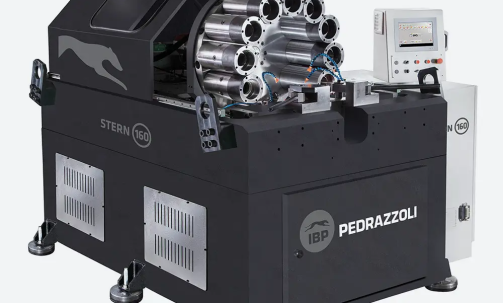
Steering systems manufacturer investment enhances capacity and reliability.

Autonomy on the ground is showing more tangible progress than many other unmanned military concepts.

